From the archive
These were published between 2010 and 2013, when this site was a blog before it was a guide. We kept them because people still cook them.
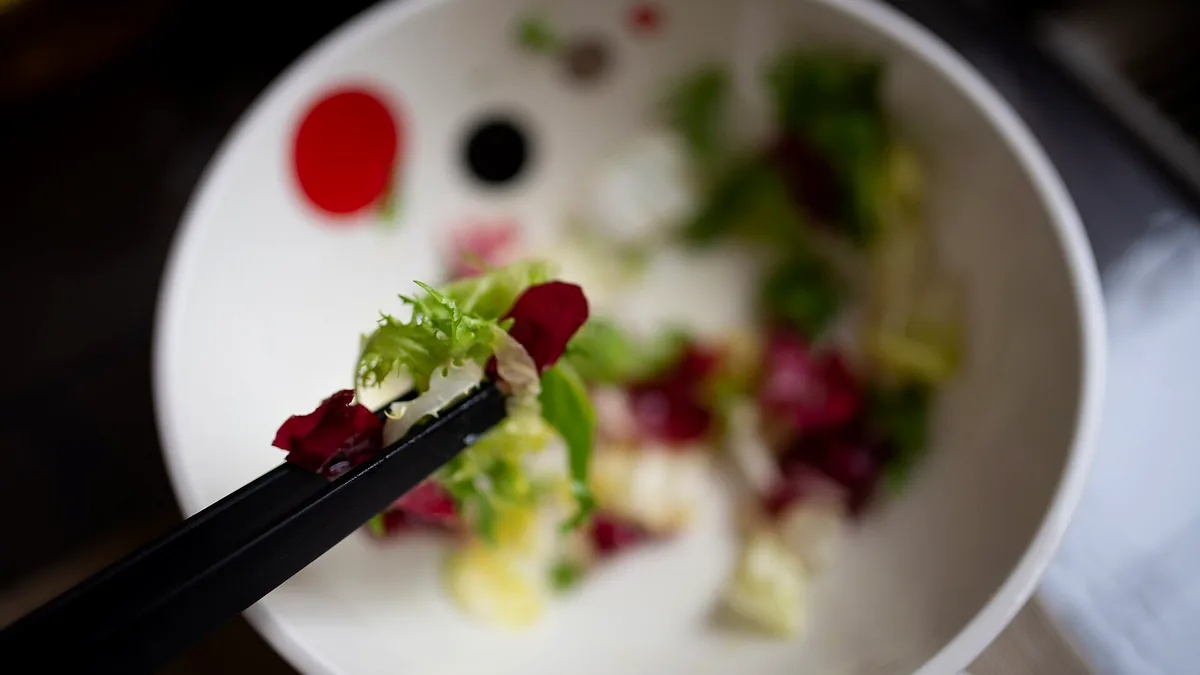
Grilled Kale Caesar Salad
Charred kale tossed in a five-minute anchovy Caesar dressing, finished with Parmesan. The salad we built around a grilled chicken for The Gorge Magazine.

Fresh-Squeezed Margaritas
A pitcher of fresh-squeezed margarita mix — two cups of citrus, one of sugar, no bottled sour mix. Recipe from Hood River, Columbia River Gorge.
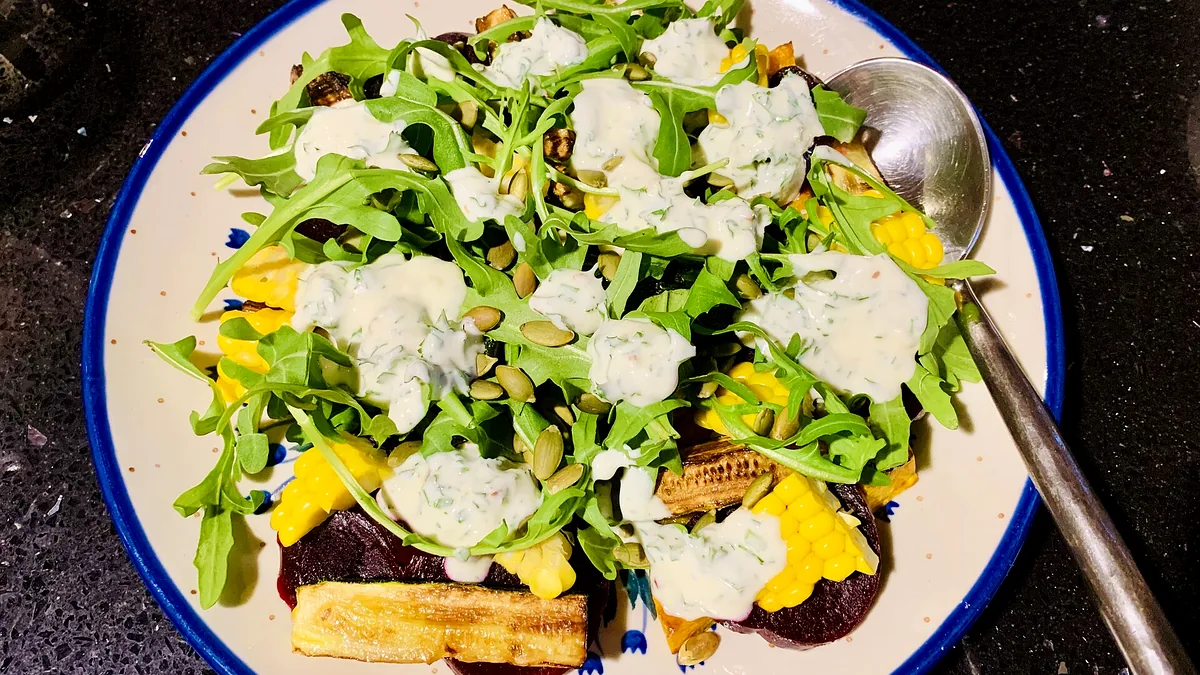
Simple Summer Beet Salad
Steamed beets, sweet corn, basil and tarragon with champagne vinegar. A five-ingredient summer salad from the Columbia River Gorge.

Vegetarian French Onion Soup
An hour of slow caramelized onions, red wine, vegetable broth and a mozzarella crust. The vegetarian French onion soup we make from October to April.
Why these recipes still work here
A recipe is a record of a particular kitchen in a particular season, and these were written in a valley that grows a very specific set of things. The Hood River valley runs from river level at Hood River up to about two thousand feet at Parkdale, and that climb changes what ripens and when. Apples and pears dominate the lower orchards and have done since the first commercial plantings in the 1800s; cherries come earlier and higher; the cool nights that make the fruit good also make it slow, which is why a valley pear tastes denser than one grown somewhere flatter and hotter.
The vegetables follow the same logic. Kale and chard hold through the shoulder seasons when tomatoes will not, which is why a Caesar built on grilled kale rather than romaine is a sensible thing to cook here in October. Beets come out of the ground sweet after a cold snap. Onions and leeks overwinter. The recipes in this archive are not stylised versions of farm cooking — they are what you make when the box of produce in front of you is whatever the week actually delivered.
How to use them
Three of the four are built to be made ahead and served cold or at room temperature, which is not a coincidence: this is a valley where people eat outside in July and where a pitcher of something is more useful than a single cocktail. The margaritas are written as a pitcher because that is how they get drunk on a hot afternoon on a deck above the river.
The fourth, the vegetarian French onion soup, is the outlier and the most technical of the lot. Onion soup depends entirely on the caramelisation, and caramelising onions properly takes forty-five minutes of attention that no shortcut reproduces. Sugar in the pan will brown them faster and taste of sugar. If you are going to cook one thing from this archive properly rather than quickly, make it that one.
Buying the produce
In season, the Gorge Grown farmers market at Hood River Middle School on May Street is where the produce in these recipes actually comes from, running May to November. Outside that window the orchards along Highway 35 — the Fruit Loop road — sell direct from their own stands, and the farmstands between Hood River and Parkdale are where the pears, cherries and apples in the dessert-adjacent recipes come from. The farms and orchards guide lists them with addresses.
If you are cooking in a rental house rather than at home, the practical constraint is equipment: one pan, one sharp knife, no stand mixer. All four recipes are written to survive that, which is another reason they have aged better than the more elaborate things published around them.
Questions about these recipes
Are these recipes from the original gorgeinthegorge blog?
Yes. All four were published between 2010 and 2013, when the site was a blog rather than a guide, and they are reproduced here with the method intact and the notes rewritten so the quantities and timings match how the recipes actually behave in a home kitchen.
Can I cook these in a rental house with one pan?
That was a deliberate constraint. None of them needs a stand mixer, a food processor or more than one burner, because the people who cooked them first were often in a cabin or a motel kitchenette. The French onion soup is the only one that asks for something extra: oven-proof bowls and a broiler.
Where do the ingredients come from locally?
The beets, corn, kale and onions are all grown commercially in the Hood River valley, and the fruit for the margarita mix comes from the same orchards. The farms and orchards guide lists the stands and u-pick operations with addresses so you can buy them in season.
Why keep old blog recipes at all?
Because people still search for them and still cook them, and because a recipe that has been made in real kitchens for a decade is a better record of this valley's cooking than anything written for a search engine last month. Deleting them would have been the convenient choice, not the honest one.